Standard Ambient Temperature Range for General Installation Sites
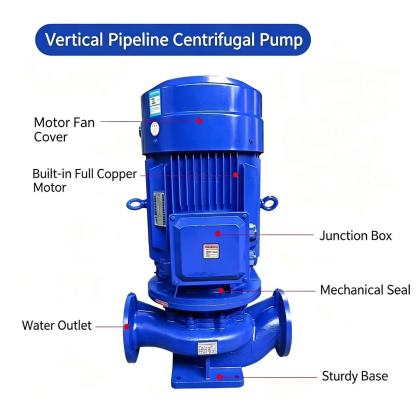
The standard validated operating ambient temperature range for ISG vertical pipeline centrifugal pump installations covers from -10℃ up to 40℃, with relative humidity kept below 95% to ensure stable performance of all core components. This baseline range is defined for most indoor pump rooms, outdoor shaded installation points and common industrial production areas where temperature fluctuations stay within normal seasonal variations. Within this window, the motor’s natural air cooling system can dissipate heat effectively, the bearing lubricant maintains its designed viscosity, and all electrical components inside the motor terminal box operate within their rated temperature limits. Sustained ambient temperatures above 40℃ will gradually reduce the motor’s continuous output capacity, as the smaller temperature difference between the motor surface and surrounding air slows down heat dissipation and leads to unexpected internal overheating. Users should arrange extra ventilation or sunshade structures for installation sites that regularly exceed 35℃ in summer, to keep the actual operating ambient temperature within the safe working envelope.
Low Ambient Temperature Operation and Freeze Protection Requirements
For sites where ambient temperature drops below 0℃ for extended periods, extra measures must be taken to prevent residual liquid inside the pump cavity and connected pipelines from freezing and causing structural damage. When the ambient temperature falls below -10℃, the standard grease used for pump and motor bearings will thicken significantly, increasing rotational resistance and making smooth startup difficult even with no liquid inside the pump. Users operating in cold climate zones should confirm that the selected lubricant and sealing materials can maintain proper physical properties at the lowest recorded ambient temperature of the site. If the pump will remain idle for more than 4 hours when ambient temperature is below 0℃, all residual liquid inside the pump body must be completely drained through the dedicated drain port to avoid ice expansion that could crack the pump casing. For sites with frequent sub-zero temperatures, adding a light tracing heat system around the pump body and inlet pipeline can help maintain the minimum temperature required for reliable standby operation.
High Ambient Temperature and Special Site Adaptation Rules
Installation sites located in desert regions, enclosed unventilated pump houses or near high-temperature process equipment often face sustained ambient temperatures far above 40℃, which requires targeted adjustments to the pump assembly configuration. The motor used in these scenarios must be derated appropriately to ensure its actual operating temperature never exceeds the insulation class limit, even when ambient air stays at 50℃ for long continuous cycles. For sites with high ambient temperature and high levels of airborne dust, adding a protective air filter around the motor cooling fan can prevent dust buildup on the motor’s heat dissipation fins, which would otherwise block airflow and reduce cooling efficiency. Coastal installation sites with high ambient temperature and high salt content in the air need extra anti-corrosion treatment on all exposed metal surfaces, to avoid accelerated rust that could damage structural components and electrical connections over time. All ambient temperature adaptation measures should be verified against the historical meteorological data and site-specific environmental records of the installation location, to ensure the pump can operate reliably under the most extreme recorded ambient conditions.


