|
|
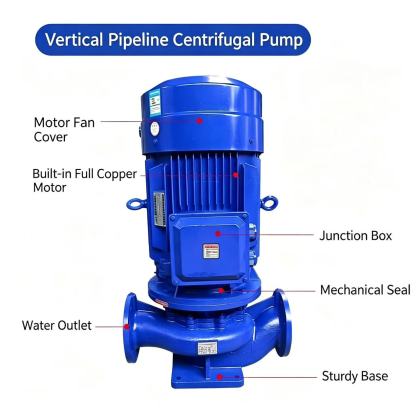
ISG Vertical Pipeline Centrifugal Pump spare parts management suggestionSpare parts management for ISG vertical pipeline centrifugal pumps directly impacts uptime, maintenance efficiency, and long-term operational cost. Many facilities overlook structured part planning until a sudden failure forces unplanned shutdown, which often stretches lead times and disrupts scheduled production runs. A practical, field-tested approach to spare parts handling keeps critical systems protected without tying up unnecessary capital or storage space.
Identify Critical Components by Wear ProfileNot every part on the pump wears at the same rate, so you can prioritize stock levels based on real operating conditions. Parts that interact directly with process fluid, experience continuous rotational movement, or face repeated thermal cycles usually show the first signs of degradation. These include components that control internal clearances, seal pressurized fluid, support rotating assemblies, and maintain alignment between driver and pump. You should map each component’s expected service life against your actual runtime, fluid properties, and how often the pump operates outside its best efficiency point. For example, pumps handling fluids with fine solids will see faster wear on hydraulic path parts, while units cycling through frequent start-stop sequences will show accelerated fatigue on sealing and rotating elements. This profile-based sorting prevents you from stocking low-wear parts that rarely fail, while ensuring high-turnover critical items stay accessible on site. Establish Clear Identification and Verification PracticesOne of the most common delays in spare parts replacement comes from incomplete or incorrect part identification. When a pump goes down, maintenance teams often waste hours searching for the right specification because nameplate data is missing, exploded drawings do not match the installed unit, or no one recorded original dimensional tolerances during previous overhauls. You can avoid this by documenting three core sets of information for every spare part: full nameplate data from the pump, exact material specification, and critical fit dimensions including bore, shaft diameter, and clearance range. Whenever you remove a part for inspection, mark it with a permanent tag that links it to the corresponding pump serial number and installation date. This practice removes guesswork when you place an order, and it also helps you confirm that any incoming part matches the physical requirements of your specific installed unit. Implement Tiered Stocking and Rotation RulesA one-size-fits-all stocking strategy usually creates two problems: overstocking low-usage parts that occupy shelf space and tie up budget, or understocking high-failure parts that leave you exposed during critical operation windows. Tiered stocking separates parts into categories based on downtime risk, replacement lead time, and how quickly the component can be swapped during a maintenance event. High-wear, failure-critical items that can be replaced during a standard maintenance shift should be kept on site. Parts with longer lead times but low failure frequency can be held at a local or regional storage point, while non-critical structural components that rarely need replacement can be ordered on demand with pre-confirmed supplier lead times. You also need to implement first-in, first-out rotation for rubber seals, gaskets, and elastomer components, since these materials degrade over time even in storage. Regularly inspect stored parts for shelf aging, environmental damage, or improper lubrication before you install them back into service. Link Spare Parts Data to Routine Inspection RecordsThe most reliable spare parts strategies do not exist in isolation from your daily pump monitoring. Every routine check for seal leakage, rising vibration, increasing bearing temperature, or dropping performance gives you advance warning that a component is approaching end of life. When you log these observations directly into your parts inventory system, you can adjust reorder points before a small issue escalates into full failure. For example, if weekly inspections show a slow upward trend in seal leakage rate, you can pull the corresponding seal spare from stock during the next planned downtime window instead of waiting for a catastrophic leak that forces an emergency stop. This continuous feedback loop between field inspection and parts management makes your stocking decisions far more accurate than generic recommendations, and it helps maintenance teams align spare part availability with their actual equipment condition. |