|
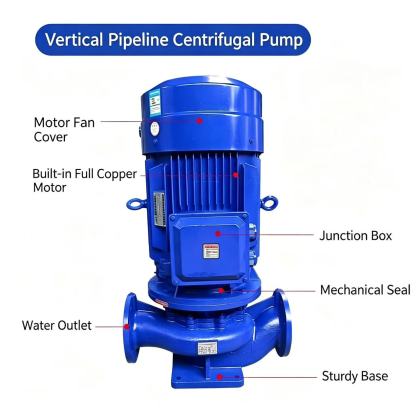
ISG Vertical Pipeline Centrifugal Pump dry run damage prevention measureDry run remains one of the most destructive and preventable failure modes for ISG vertical pipeline centrifugal pumps, often occurring when operators overlook trapped air, empty suction lines, or misaligned valve positions before startup. Even a few seconds of operation without sufficient fluid inside the pump can generate localized overheating, severe contact between rotating and stationary components, and permanent damage to critical sealing surfaces that leads to unplanned shutdown and costly repairs. Practical, layered prevention measures address dry run risk across pre-start checks, real-time operational monitoring, and system-level design safeguards to eliminate this common field failure.
Pre-Startup Fluid Priming and Air Purging DisciplineThe most effective dry run prevention starts before the motor ever receives power, with standardized, repeatable priming and venting procedures that leave no trapped air pockets inside the pump casing or suction line. Operators must confirm the suction valve is fully open, the discharge valve is set to the correct starting position, and all high-point vent plugs on the pump volute, seal chamber, and upstream piping are opened one by one until a steady, continuous stream of fluid flows out with no remaining air bubbles. This process cannot be rushed, especially for units installed with long horizontal suction runs or multiple elevation changes that naturally trap large volumes of air. You also need to verify that the pump casing and suction line remain fully flooded under all static system conditions, not just during active operation. For installations relying on suction lift rather than flooded suction, confirm the foot valve on the end of the suction line holds fluid reliably with no reverse leakage that could drain the pump during extended shutdown periods. Even a tiny leak in the suction check valve can allow fluid to drain back to the source tank after days of idle time, leaving the pump completely empty when the next automatic startup sequence triggers. Documenting every completed priming and venting step in the operating log creates accountability and eliminates the risk of a rushed operator skipping this critical step during a busy shift. Real-Time Condition Monitoring for Early Dry Run DetectionEven with strict pre-start procedures, unexpected system conditions can still lead to partial or full dry run events during normal operation, so continuous real-time monitoring provides a second layer of protection to stop damage before it escalates. Install low suction pressure detection at the pump inlet, set to trigger a clear local alarm and automatic shutdown before pressure drops to the level where fluid begins to vaporize or the suction line runs completely empty. This sensor should be located as close to the pump suction flange as possible, not far upstream in a shared piping header, to ensure it responds immediately to a loss of inlet fluid that only affects this specific unit. You can also monitor indirect operational signatures that appear the moment dry run begins, before catastrophic damage develops. A sharp, rapid rise in seal chamber or bearing housing temperature, combined with an unexpected drop in motor current as the rotating assembly loses hydraulic load, creates a distinct early warning pattern that can be configured to trigger an immediate protective stop. Many dry run events do not last long enough to trip standard over-temperature alarms, so setting a fast response window for these combined abnormal conditions can shut the pump down within seconds of fluid loss, long before metal-to-metal contact or seal face melting occurs. Regularly test these interlock functions during scheduled maintenance to confirm they activate reliably, instead of discovering they are non-functional during an actual emergency. System and Operational Design Safeguards Against Accidental Dry RunThe third layer of dry run prevention builds physical system design features that eliminate entire categories of human error and process-related risk. For automatic pump installations that start and stop based on system pressure or tank level, install a direct tank low-level interlock that prevents the pump from starting when fluid level in the suction source drops below the minimum safe elevation. This stops the unit from running the suction tank completely empty, a common scenario that leaves the pump drawing in a mixture of air and fluid that rapidly accelerates component wear even before full dry run sets in. You should also review all interlock logic and startup sequences to remove scenarios where the pump can run while isolated between two closed valves. If process requirements sometimes force operators to close both suction and discharge valves for maintenance or line isolation, add visible mechanical position indicators on those valves that are clearly visible from the local pump control station, so no one can accidentally energize the motor while the unit is completely isolated and full of trapped air. For pumps that run intermittently on standby duty, implement a periodic automatic priming and venting cycle that refreshes the fluid inside the casing and removes any air that has leaked in through seal faces during idle periods. These design-level safeguards remove the opportunity for dry run to happen in the first place, rather than relying entirely on operator vigilance to avoid every possible high-risk scenario. When these three layers work together, they eliminate nearly all common field dry run scenarios that damage ISG vertical pipeline centrifugal pumps. Even for sites with limited instrumentation budget, consistent pre-start priming discipline and regular verification of suction line flooded conditions can drastically reduce the chance of ever experiencing a preventable dry run related failure. |