|
|
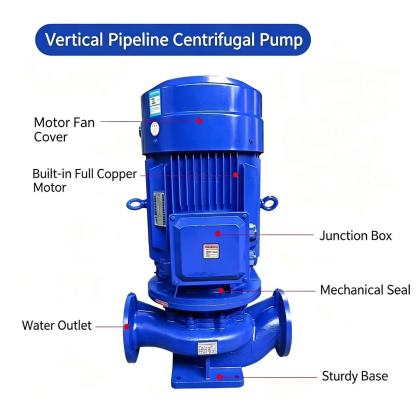
ISG Vertical Pipeline Centrifugal Pump Leak Proof Shaft SealLeakage control is one of the most critical operational requirements for ISG vertical pipeline centrifugal pumps used in industrial fluid transportation, water circulation, and HVAC pipeline systems. The shaft seal serves as the core barrier between the rotating pump shaft and the stationary pump casing, effectively blocking pressurized process fluid from escaping along the shaft gap. Reliable leak proof shaft seal performance directly stabilizes pump operation, reduces fluid waste, avoids equipment contamination, and extends the overall service life of vertical pipeline pump assemblies. Understanding the structural logic, working mechanisms, and operational maintenance rules of these sealing systems is essential for stable long-term pump operation in diverse industrial and commercial scenarios.
Fundamental Working Mechanism of Leak Proof Shaft Seals for ISG Vertical PumpsThe leak proof shaft seal system of ISG vertical pipeline centrifugal pumps relies on precision dynamic and static matching structures to achieve zero obvious leakage during continuous rotation. Different from traditional static sealing components, pump shaft seals adapt to high-speed shaft rotation and internal fluid pressure through flexible compensation mechanisms and precision-lapped sealing faces. A typical sealing structure consists of a rotating ring fixed synchronously with the pump shaft, a stationary ring embedded in the pump cover, elastic compensation parts, and auxiliary sealing rings. During pump operation, fluid pressure inside the pipeline and axial elastic force jointly push the dynamic and static sealing faces to maintain tight microscopic contact. An ultra-thin fluid film forms between the two fitting faces, which provides continuous lubrication and cooling for the friction pair while blocking macroscopic fluid leakage. This dynamic balance structure effectively eliminates gap leakage caused by shaft rotation, vibration, and minor axial displacement, realizing stable leak proof performance under continuous working conditions. The vertical layout of ISG pumps imposes specific requirements on seal structural stability, as vertical installation avoids sediment accumulation inside the seal chamber and ensures consistent sealing face fitting accuracy. Key Structural Features That Enhance Leak ResistanceMultiple optimized structural designs endow ISG vertical pipeline pump shaft seals with excellent leak proof capability adapting to pipeline fluid working conditions. First, the integrated elastic compensation structure automatically adjusts the fitting clearance of sealing faces according to shaft wear and operational vibration. This self-compensation function offsets minor abrasion and axial runout generated during long-term operation, preventing intermittent leakage caused by face separation. Second, matched auxiliary sealing components including O-rings and shaft sleeves strengthen the secondary sealing performance of the entire assembly. These auxiliary parts block potential leakage paths at the shaft sleeve connection and seal chamber junction, forming a multi-layer sealing protection system. The shaft sleeve isolates the pump shaft from direct friction with the sealing face, avoiding shaft surface wear that could cause persistent leakage and protecting the integrity of the main shaft structure. In addition, the sealed oil chamber design unique to vertical pipeline pump structures provides stable lubrication and pressure balance for the sealing system. The internal lubricating medium reduces friction heat generation between dynamic and static faces, prevents high-temperature deformation of sealing components, and maintains stable sealing tightness under variable load and temperature conditions. This structural optimization greatly improves the adaptability of shaft seals to continuous pipeline operation environments. Operational Factors Affecting Long-Term Leak Proof PerformanceThe persistent leak proof effect of ISG vertical pipeline centrifugal pump shaft seals is closely related to installation accuracy, operating environment, and routine operational management. Precise installation is the primary prerequisite for sealing stability; coaxiality deviation between the pump shaft and seal chamber will cause uneven friction on sealing faces, leading to early wear and hidden leakage risks. Standardized installation procedures ensure parallel fitting of dynamic and static faces and normal operation of elastic compensation mechanisms. Fluid medium characteristics also exert a direct impact on sealing performance. Impure fluid containing solid particles will cause abrasive wear on precision sealing faces, destroying the microscopic flatness required for leak proof operation. Long-term transportation of high-temperature or corrosive media will accelerate aging and deformation of auxiliary sealing rubber parts, weakening secondary sealing protection. Filtering treatment of conveyed fluid and adaptation of sealing structures to medium properties effectively reduce such failure risks. Regular operational inspection and maintenance are vital to sustain long-term leak proof performance. Daily monitoring of pump shaft end leakage status, operational vibration, and temperature changes helps identify early seal aging and wear issues. Timely cleaning of the seal chamber and replacement of aging auxiliary components avoid minor defects evolving into serious leakage failures. Scientific operational management maximizes the service cycle of leak proof shaft seal systems and maintains stable pump pipeline operation. |