Even in well-run coal washing plants, unexpected interruptions in filter press feeding can ripple through the entire dewatering circuit, extending downtime and reducing overall coal recovery rates. For operations handling high-density coal slurry with sharp, abrasive particles, even small deviations in pump performance can lead to cascading issues that affect downstream processing efficiency. Most feeding problems do not appear without warning; they usually build up over hours or even days through subtle changes in system sound, vibration, or flow consistency that experienced plant operators learn to recognize quickly.
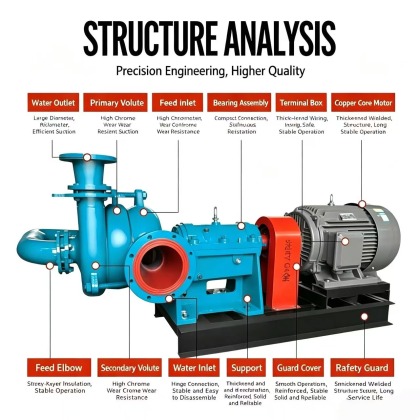
Common feeding interruptions and their root causes
One of the most frequent issues that stops steady material delivery is air lock formation inside the pump casing. When slurry levels in the feed tank drop below the suction line inlet, air can be drawn into the system and become trapped, breaking the prime and preventing continuous flow to the filter press. In coal washing environments, this often happens during sudden shifts in slurry volume when thickener underflow rates fluctuate after changes in raw coal feed quality. Operators may notice the pump running but delivering almost no material, with pressure gauges showing unstable, bouncing readings instead of a steady rise toward the target setpoint. Another common cause is gradual clogging along the suction path, where fine coal particles and accumulated sediment build up in pipeline bends or at strainer points, restricting flow before the pump can develop the suction lift it needs. Over time, even small amounts of trapped material can create enough backpressure to starve the pump, leading to inconsistent feed rates that leave uneven filter cake layers across the plate pack.
Pressure calibration and system alignment for reliable operation
Many feeding performance issues can be traced back to misaligned pressure settings that do not match the actual requirements of the current filter press cycle. If initial startup pressure rises too quickly before a uniform layer of filter cake has formed on the cloth surface, fine particles can pass through unevenly and cause blinding, which in turn creates higher resistance that the feed system struggles to overcome. Operators should adjust pressure ramp-up speed based on the specific solids concentration and particle size distribution of the coal slurry being processed, allowing the initial cake layer to build gradually before moving to full operating pressure. It is also important to verify that all pressure sensors and transmitters along the feed line are calibrated regularly, because inaccurate readings can lead operators to make adjustments that do not match real system conditions. Even a small offset in gauge readings can cause the system to run outside its optimal performance window, creating unnecessary wear and increasing the chance of unexpected feeding stops.
Routine inspection practices that prevent unplanned shutdowns
Simple, structured monitoring routines can catch most developing problems long before they escalate into full feeding failures. Plant teams should walk through the feed pump zone at regular intervals during each shift, listening for changes in impeller noise that signal increasing wear, checking for unusual vibration that points to misalignment or cavitation, and feeling for unexpected temperature rises on the seal housing that may indicate lubrication loss or particle intrusion. All personnel involved in operating the dewatering circuit should receive clear, hands-on training on what normal system behavior looks and sounds like, so they can spot small deviations immediately instead of waiting for a complete loss of feed. Keeping basic service records that note operating hours, slurry density ranges, and any observed performance shifts helps maintenance teams identify recurring patterns, such as higher wear rates during specific raw coal batches, and plan proactive service windows that fit into scheduled plant downtime rather than forcing emergency stops in the middle of a production run.


