Proper pipeline matching for high pressure filter press feed systems directly determines whether a coal washing plant can maintain steady, consistent feeding performance across the full dewatering cycle. When pipeline dimensions, layout, and material selection do not align with the actual operating conditions of the plant, even a well-sized feed unit will struggle to reach target pressure, experience frequent cavitation events, and show accelerated wear on critical internal components. For facilities processing abrasive coal slurry around the clock, getting this matching process right eliminates many common operational headaches that otherwise lead to unplanned downtime and reduced coal recovery efficiency.
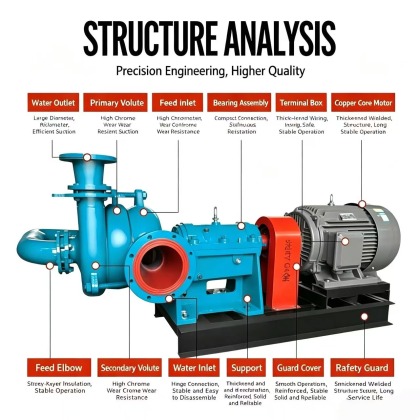
Suction side pipeline design for stable prime retention
The suction side of the system sets the foundation for all subsequent feeding performance, and even small design flaws here can create persistent problems that are hard to diagnose after installation. The suction line should be kept as short and straight as practically possible, with a minimum number of bends, valves, and intermediate connections that could introduce unnecessary flow resistance or create points where air pockets can become trapped. Slopes along the suction path should be arranged to avoid any high points where air can accumulate, and the line diameter should be selected to keep slurry flow velocity low enough to prevent excessive friction loss, while still avoiding settling and sediment buildup that can gradually narrow the effective flow area. This careful layout ensures the feed unit receives a steady, uninterrupted supply of slurry, eliminating the pressure fluctuations and prime loss that often happen when suction side design is treated as an afterthought.
Discharge side pipeline configuration for pressure ramp control
On the discharge side, the pipeline must be engineered to handle the full range of cyclic pressures that occur throughout the filter press filling and dewatering process, from low initial filling pressure all the way up to the final high pressure compression stage. All pipe segments, joints, and connection points need to be rated for the maximum system working pressure, with additional safety margin reserved to accommodate occasional pressure spikes that naturally occur during normal operation. The layout should also include properly positioned support structures that absorb vibration and prevent mechanical stress from building up at connection points, which prevents premature wear on both pipeline components and the feed unit itself. Adding a properly sized pulsation dampening section near the press inlet helps smooth out flow variations, ensuring even material distribution across all filter plates and reducing uneven cake formation that can hurt final dewatering results.
Material and compatibility considerations for abrasive coal slurry
Every part of the pipeline system that comes into direct contact with coal slurry must be selected to resist the specific abrasive and corrosive properties of the material being processed in the plant. For operations handling slurry with high proportions of sharp quartz particles or acidic mine water, standard general-purpose materials will wear through far too quickly, creating frequent leak points and unplanned maintenance work. The selected pipeline materials should also be compatible with any chemical additives used in the dewatering process, to avoid unexpected material degradation that could introduce contamination or weaken pipe walls over time. When these material choices are aligned with the actual long-term operating conditions of the coal washing plant, the entire feed pipeline system will deliver consistent, reliable performance with far fewer unexpected service interruptions.


