Even a well-sized high pressure filter press feed system will underperform in a coal washing plant if the pipeline layout and configuration do not match the unique characteristics of local coal slurry, site layout, and full-cycle pressure requirements. Poorly matched piping introduces hidden friction losses, unstable flow patterns, and unnecessary mechanical stress that gradually erode system efficiency, increase component wear, and create frequent interruptions during critical dewatering operations. For facilities running continuous 24-hour production cycles, getting pipeline alignment right directly reduces unplanned downtime and extends the service life of all connected equipment.
Suction side layout to preserve stable prime and flow consistency
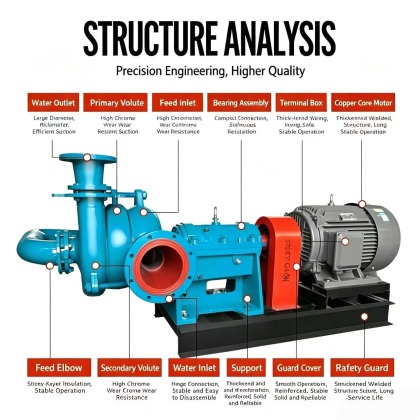
The suction side of the system is the most critical section for avoiding cavitation and inconsistent feeding, yet it is often overlooked during initial site installation. The entire suction run should be kept as short and straight as possible, with no upward high points that can trap air pockets and break the prime during shifts in slurry tank level. All bends should use wide, gentle angles instead of sharp turns to minimize flow resistance, and line velocity should be kept low enough to prevent excessive friction loss while still maintaining a speed that stops fine coal particles from settling and building up sediment along the bottom of the pipe. This careful arrangement ensures the feed unit receives a steady, uninterrupted supply of slurry, eliminating the bouncing pressure readings and unexpected flow drops that many coal washing crews struggle to trace back to poorly designed suction piping.
Discharge side pressure rating and dynamic flow control
The discharge pipeline must be engineered to handle the full cyclic pressure range of the filter press operation, from the low-flow initial filling stage all the way through the high-pressure final compression phase. Every joint, flange, and connection point needs to carry a pressure rating that exceeds the maximum system working pressure by a reasonable safety margin, to accommodate the minor pressure spikes that naturally occur when flow resistance rises as the filter plates fill with dense cake. Properly placed pipe supports along the entire discharge run absorb operational vibration, preventing mechanical stress from concentrating on connection points and reducing the risk of premature seal failure or joint leakage. A small, properly sized buffer section near the filter press inlet also helps smooth out flow pulsations, ensuring even material distribution across every plate and preventing uneven cake buildup that can extend dewatering cycle times.
Material selection and wear resistance for abrasive coal slurry
All wetted pipeline surfaces must be selected to match the specific abrasion and corrosion properties of the local coal slurry being processed at the plant. Slurries carrying high volumes of sharp quartz, pyrite particles, or mildly acidic mine water will quickly wear down general-purpose piping materials, creating thin wall spots, unexpected leaks, and frequent unplanned maintenance stops. The chosen materials should also be fully compatible with any flocculants or processing chemicals added upstream in the thickener circuit, to avoid unexpected material degradation that could weaken pipe walls or introduce unwanted contamination into the final filter cake. When these material choices are aligned with real long-term site operating conditions, the entire pipeline system maintains consistent performance over extended run times, with far fewer unexpected service interruptions that break the continuity of the coal washing process.


