Proper commissioning of a high pressure filter press feed system in a coal washing plant lays the critical foundation for months or even years of stable, low-maintenance dewatering operation. Skipping or rushing through key commissioning steps often leaves hidden issues that only surface weeks later, in the form of unexpected vibration, seal leaks, inconsistent feeding pressure, or accelerated abrasive wear from coal slurry. For facilities running continuous 24-hour production cycles, a thorough, structured commissioning process eliminates most preventable operational problems before the system is formally handed over to daily operation crews.
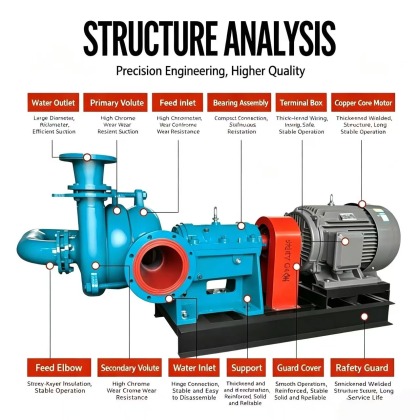
Pre-commissioning static mechanical and piping verification
Before any power is applied to the system, every mechanical and piping connection must go through a full, line-by-line check to eliminate hidden installation errors that could cause serious damage later. Confirm that the mounting base sits perfectly level, with no uneven stress pulling on the pump casing that could create abnormal vibration once the unit starts running. Walk the entire suction and discharge pipeline to confirm no leftover welding slag, construction debris, or stray tools were accidentally left inside during installation, and double check that all flange connections are properly torqued with no misalignment that would create unnecessary strain on joint seals. Verify that all supporting structures for heavy piping runs are securely anchored, so the weight of the full slurry line never pulls against the pump body and distorts internal component alignment.
No-load and water test commissioning phase
Once all static checks are completed, the system should first be filled with clean water to run through a full no-load and low-pressure test cycle before introducing any coal slurry. Start with short, controlled point-in-time power tests to confirm the rotating direction matches the marked arrow on the pump casing, as reverse rotation can instantly damage critical internal hydraulic components. After confirming correct rotation, run the system for an extended period on clean water, monitoring vibration levels, bearing temperature, seal condition, and pressure stability across different flow rates and pressure set points. This phase lets operators identify and resolve issues like abnormal noise, hidden air pockets, or unstable pressure readings under safe, low-risk conditions, before any abrasive coal slurry ever enters the system.
Slurry feeding and full-load system alignment
After the water test runs consistently without issues, the plant can gradually introduce low concentration coal slurry first, then slowly increase solid content up to the normal operating level for the filter press circuit. During this phase, operators should record full sets of operating data across every stage of the filter press cycle, from initial cavity filling all the way through the final high pressure dewatering stage. Adjust pressure ramp-up speed to match the actual cake building characteristics of the local coal slurry, ensuring the system does not apply excessive pressure too early and cause fine particle blinding on filter cloth surfaces. Confirm all interlock protection settings work correctly under real working conditions, so the system can automatically trigger safe shutdown if abnormal current, overheating, or unexpected pressure loss occurs during full production operation. Once the system completes multiple consecutive full dewatering cycles with stable readings and consistent filter cake results, the commissioning process can be formally signed off for regular daily production use.


