In coal washing plant dewatering circuits, consistent stable pressure output from the filter press feed system directly determines uniform filter cake formation, predictable cycle times, and low overall wear on all downstream process equipment. Even minor, unplanned pressure fluctuations during the feeding process can create uneven material distribution across filter plates, leave soft spots in the final cake, and force operators to extend dewatering time to hit target moisture levels. For facilities processing variable raw coal feed quality around the clock, maintaining steady pressure across the full feeding cycle eliminates many of the most common hidden inefficiencies that drag down overall plant throughput.
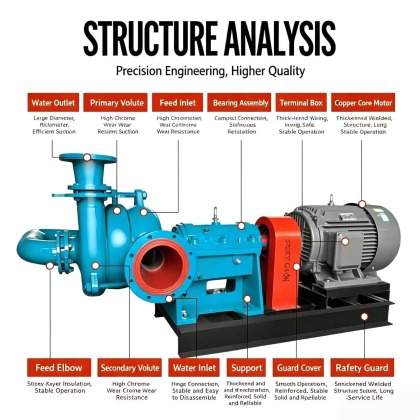
Suction condition stabilization for consistent inlet flow
Unstable suction conditions are one of the most frequent root causes of erratic discharge pressure, even when the feed unit itself is in perfect mechanical condition. Any air leakage on the suction side, unexpected drop in slurry tank level, or partial sediment blockage in the suction line will create intermittent flow starvation that makes outlet pressure bounce up and down without warning. To lock in steady inlet flow, operators should maintain a consistent minimum submergence level for the suction line inlet, install automatic vent points at all high spots in the suction piping, and schedule regular quick inspections to clear any fine coal sediment that builds up on strainer surfaces. This eliminates the air pockets and flow restrictions that break prime and create the unsteady inlet conditions that directly translate to unstable pressure output.
Cyclic pressure ramp matching for filter press dynamics
The filter press itself creates naturally rising flow resistance as the chamber fills with coal cake, and the feed system must follow this changing load smoothly without sudden jumps or drops in pressure. A properly calibrated pressure ramp profile starts at a low initial flow rate to build a uniform thin cake layer across all filter cloth surfaces, then gradually increases pressure in controlled, steady increments as the cake thickness grows. Rushing this ramp too fast will push unfiltered fine particles through the cloth and cause blinding, which creates an unexpected sharp spike in system resistance that breaks pressure stability. Running the ramp too slow wastes valuable cycle time and reduces overall press throughput, so tuning this profile to match the exact particle size distribution of the local coal slurry is key to locking in consistent, repeatable pressure performance.
Wear and clearance monitoring to preserve long-term pressure consistency
As the feed system accumulates thousands of operating hours handling abrasive coal slurry, gradual wear on internal hydraulic components creates wider internal clearances that slowly reduce the system’s ability to hold steady high pressure. This degradation does not happen overnight; it shows up as a slow, subtle drift in pressure performance over weeks and months, where the system can no longer hold the target pressure setpoint without running at higher power levels. Plant maintenance teams can track this trend by logging baseline pressure and flow data during commissioning, then comparing new readings at regular weekly intervals to spot performance drift early. Scheduling minor clearance adjustments during planned maintenance windows, before wear progresses far enough to break pressure stability, keeps the system delivering consistent, reliable pressure output across years of continuous coal washing operation.


