|
|
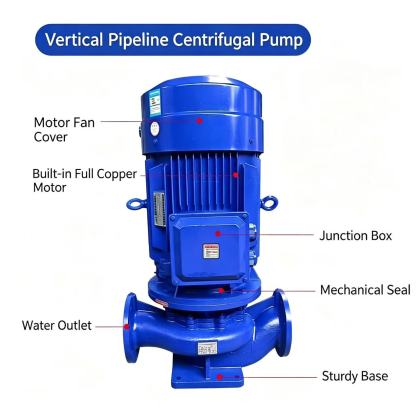
ISG Vertical Pipeline Centrifugal Pump flexible joint installation tipsFlexible joint installation for ISG vertical pipeline centrifugal pumps plays a key role in isolating operational vibration, absorbing minor thermal displacement, and preventing piping stress from transferring directly to the pump casing. When installed correctly, these components reduce flange leakage risk, protect precision internal alignment, and extend the overall service life of both the pump and connected piping systems. Every installation step must follow field-verified practices to avoid common issues such as joint distortion, restricted movement, and premature rubber element failure.
Pre-Installation Inspection and Position AlignmentBefore mounting any flexible joint, inspect the full length of the element for signs of shipping damage, including cuts, surface cracking, or deformation that could compromise structural integrity under operating pressure. Confirm the inner flow passage is completely clear of any leftover packaging material, debris, or foreign objects that could break loose and damage the pump impeller during initial startup. Check that the joint’s rated pressure and temperature range fully match the maximum expected system operating conditions for the specific application. Align the flexible joint perfectly with the concentric centerline of the adjacent pump flange and piping flange before placing the gasket in position. Never force the joint into an offset or angled position to compensate for piping misalignment, as this will create uneven stress across the rubber or reinforced element and lead to accelerated wear. The joint should sit freely between the two flanges without any pre-tension or pre-compression applied before bolts are inserted, so it can move naturally to absorb vibration and thermal displacement once the system is operational. Bolt Fastening and Torque Application PracticesInsert all flange bolts through the joint flange from the process fluid side, so the bolt nuts sit on the outer face away from the flexible element. This prevents exposed bolt threads from catching on the rubber reinforcement and causing localized tearing when the joint moves during normal operation. For flanges with floating reinforcement rings, confirm the rings are seated evenly against the joint face before any nuts are hand-tightened. Tighten all bolts gradually in a crisscross sequence, working your way around the flange in multiple small increments rather than applying full torque to one bolt at a time. This distributes clamping force evenly across the entire sealing face, ensuring a leak-tight connection without pinching or distorting the flexible element. Leave a small, consistent gap between each flange face and the flexible joint surface to preserve the joint’s full range of free movement, rather than crushing the element completely under excessive bolt torque. Operational Clearance and Post-Commissioning CheckConfirm there is sufficient empty space around the entire flexible joint to prevent contact with adjacent piping, structural supports, or nearby equipment components. When the pump operates at full speed and the system reaches thermal equilibrium, the joint will experience small amounts of axial compression, lateral deflection, and angular movement. Any physical contact that restricts this free movement will eliminate the joint’s vibration isolation benefit and create concentrated stress points that lead to premature failure. After the system has run under full operating pressure for several hours, perform a visual inspection of the flexible joint. Check for unusual bulging, localized deformation, or signs of fluid seepage around the flange sealing area. Verify that the joint is not stretched beyond its designed neutral position, which would indicate excessive piping movement that needs to be corrected with additional piping supports. Document the installed position and visual condition of the joint for future reference, so maintenance teams can quickly identify abnormal displacement during subsequent routine inspections. |