|
|
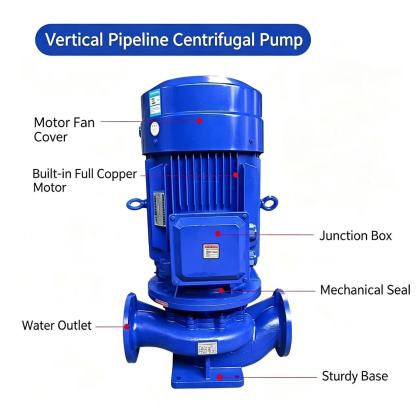
ISG Vertical Pipeline Centrifugal Pump pre-start inspection checklistBefore any ISG vertical pipeline centrifugal pump is put into operation, a systematic pre-start inspection process is essential to eliminate hidden risks that could cause unexpected damage to rotating components, seal failure, or system overload. Many preventable pump failures occur not due to design defects, but because critical pre-operation checks were skipped or performed in a rushed, incomplete way. Every step of this inspection should follow established field operation practices, with each item verified by personnel familiar with the pump’s specific installation conditions and system characteristics.
Shaft Rotation and Free Movement VerificationThe first step before connecting power to the motor is to confirm that the entire rotating assembly can turn smoothly without any abnormal resistance or binding. Use a suitable tool to rotate the pump shaft by hand for several full revolutions, checking for any points of stiffness, scraping sounds, or sudden jolts that indicate misaligned internal components, trapped debris between the impeller and casing, or improperly adjusted seal faces. If the shaft cannot turn freely, never attempt to force it to rotate by starting the motor directly, as this will place extreme instantaneous load on the motor winding, shaft, and bearings, leading to immediate component damage. This check also helps confirm that the rotor is not locked in place by long periods of inactivity, accumulated sediment inside the pump casing, or misaligned coupling elements that shifted during installation. Even a small amount of residual construction debris left inside the flow path can jam the impeller on first startup, so this manual rotation test acts as a simple but effective first line of defense against catastrophic startup failure. Fluid Filling and Venting of the Pump CasingISG vertical pipeline centrifugal pumps cannot generate normal working pressure if air pockets remain trapped inside the casing and suction line before startup. Open the dedicated vent plug on the upper part of the pump casing slowly, and introduce clean process fluid into the pump and suction piping until all trapped air is completely expelled, and a steady, continuous flow of fluid comes out from the vent opening. Never close the vent plug prematurely, as even a small remaining air bubble can expand under low pressure during initial operation, causing partial flow blockage, vibration, and unstable performance that damages the impeller over time. For systems with long suction pipelines or elevated suction conditions, extra attention should be paid to venting the highest points of the suction line, as air tends to accumulate there and travel down to the pump casing once the unit starts running. After filling the casing, leave the pump idle for a few minutes to observe the fluid level, making sure no obvious drop occurs that would indicate a leak in the suction side connection or a faulty seal that allows air to be drawn into the system. System Valve Position and Flow Path ConfirmationBefore energizing the motor, confirm that all valves on the suction side of the pump are fully opened, while the discharge side valve is kept in a partially closed position to limit initial startup current and prevent the motor from running under full unloaded flow conditions. Many new operators mistakenly leave the suction valve partially closed after maintenance, which creates immediate suction side pressure drop that pushes the pump into cavitation the moment it starts, causing rapid pitting damage to the impeller surface. Check all bypass lines, drain points, and auxiliary connection points along the flow path to ensure no unintended open valves will divert process fluid away from the intended system circuit, leading to dry running or insufficient flow through the pump casing. For systems fitted with inline filters, confirm that the filter element is properly seated and the housing is securely closed, so no unfiltered debris can pass through and enter the pump impeller chamber during initial startup. This full flow path check also includes verifying that all pressure gauges and monitoring instruments are properly connected, vented, and ready to provide accurate readings once the pump reaches operating speed, allowing operators to spot abnormal pressure changes immediately after startup. |