|
|
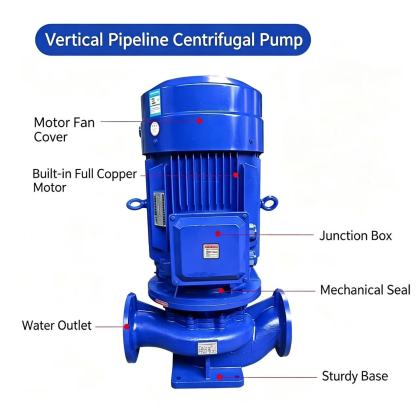
ISG Vertical Pipeline Centrifugal Pump commissioning stepsProper commissioning of an ISG vertical pipeline centrifugal pump directly determines its long-term operational stability, reduces unexpected downtime, and prevents premature wear on critical internal components. Every step must follow established field practices, with careful attention to system conditions before, during, and after initial startup.
Pre-start system inspectionBefore any power is applied, the entire connected piping system should be fully reviewed to eliminate hidden installation errors that could cause immediate damage. Confirm that the pump body flow arrow aligns exactly with the direction of medium movement in the pipeline, as reversed installation will break the designed hydraulic balance and reduce output pressure significantly. Check that all independent pipe supports are securely fastened, so no additional structural stress transfers to the pump flanges or distorts the pump casing. Prime and vent the pump chamberISG vertical pipeline centrifugal pumps are not self-priming, so complete venting before startup is essential to avoid air binding that stops the pump from building consistent pressure. Open the inlet gate valve fully, and leave the discharge gate valve in a nearly closed position to reduce initial motor load. Slowly pour the conveyed medium into the pump chamber through the dedicated vent plug opening, allowing trapped air to escape steadily from the highest point of the pump casing. Motor direction verification and initial startupNever run the motor continuously before confirming correct rotation, as prolonged reverse operation will unbalance the impeller, wear down the seal assembly, and place abnormal axial load on the motor bearings. Perform a short, controlled jog of the motor, then observe the shaft rotation direction from the top of the motor housing to confirm it matches the specified clockwise orientation. If rotation is incorrect, adjust any two phases of the power supply connection before proceeding. |