|
|
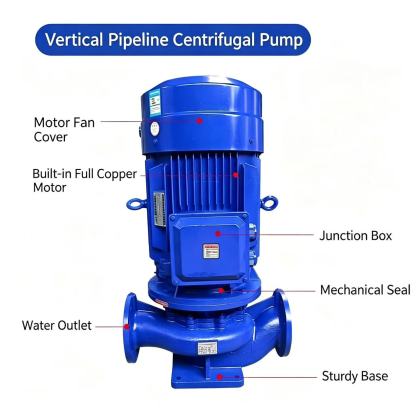
ISG Vertical Pipeline Centrifugal Pump pressure gauge installation positionCorrect placement of pressure gauges on an ISG vertical pipeline centrifugal pump system directly improves measurement accuracy, extends instrument service life, and gives operators reliable real-time data to assess pump performance. Every installation decision should account for flow characteristics, vibration levels, and easy access for routine observation and maintenance.
Inlet side pressure gauge positioningThe inlet pressure gauge should be installed on a straight pipe section at least five times the pipe diameter upstream of the pump suction flange. This location avoids the turbulent flow zones created by elbows, tees, or partially closed valves, which would otherwise cause unstable, fluctuating readings that do not reflect the true suction pressure conditions. Discharge side pressure gauge positioningOn the discharge side, the pressure gauge tapping point should be located on a straight run at least three times the pipe diameter downstream of the pump discharge flange, before any check valve, flexible joint, or system elbow. This position captures the full, stabilized discharge pressure generated by the impeller, rather than a distorted reading affected by flow disturbance right at the pump outlet. Vibration avoidance and readability optimizationSelect a mounting location that sits outside the main vibration transmission path from the pump motor and rotating assembly. Direct, continuous exposure to high-level vibration will wear out the internal precision movement of the gauge over time, leading to drifting readings and shortened instrument lifespan. If no sufficiently low-vibration position exists near the pump, route a short length of flexible impulse tubing to a nearby wall-mounted bracket, so the gauge itself is isolated from the pipe-borne vibration. |