|
|
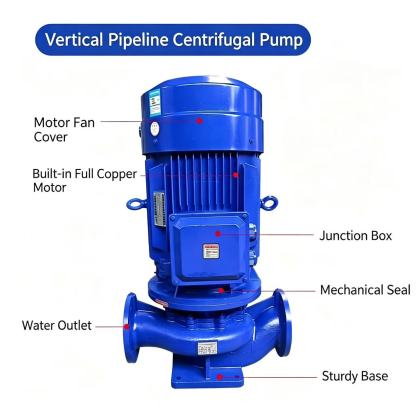
ISG Vertical Pipeline Centrifugal Pump anchor bolt installation methodProper anchor bolt installation is one of the most critical steps to ensure long-term stable operation of an ISG vertical pipeline centrifugal pump. When done correctly, it eliminates structural vibration, maintains permanent shaft alignment, and prevents unintended pipe strain from transferring back to the pump casing. Poorly installed anchor bolts often lead to loosening under cyclic load, flange leakage, and premature bearing wear that shortens the total service life of the unit. Every step of the process should follow proven field installation practices rather than simplified generic guidelines, especially for systems that run continuously in industrial, commercial, or municipal water circulation applications.
Pre-installation site and foundation preparationBefore placing any anchor bolt, the installation area must be cleared of debris, loose concrete fragments, and leftover construction materials that could interfere with proper grout bonding. The foundation surface should be roughened to create a strong mechanical bond between the new grout layer and the existing concrete. All reference marks for pump centerline, elevation, and pipe alignment should be clearly marked on the floor before drilling begins. The foundation itself must be able to absorb the full static weight of the pump and motor, plus the dynamic forces generated during normal operation. It should extend at least 150 millimeters beyond the edges of the baseplate on all sides to distribute load evenly. No anchor bolt should be positioned too close to the edge of the foundation, as this can cause concrete cracking under repeated vibration. At this stage, installers should also confirm that all required tools are on site, including a precision spirit level, torque wrench, grout mixing equipment, and shim sets of varying thickness. Skipping this preparation step often leads to rushed adjustments later that compromise final alignment and bolt tension. Anchor bolt positioning and placementEach anchor bolt must be positioned so that it passes freely through the corresponding hole in the baseplate without touching the sides. This small detail ensures that when the baseplate is adjusted later with shims, the bolt does not pull or shift the plate out of level. The bolt sleeve or reserved hole in the foundation should be large enough to allow minor positional correction before grout is poured, giving installers flexibility to match exact pipe and flange alignment. When placing the bolt, make sure the threaded end extends far enough above the top face of the nut to allow full engagement during final torquing. A common field mistake is leaving too little thread exposed, which prevents proper tensioning and leads to apparent tightness that loosens after a few days of pump operation. The bolt should hang vertically inside the hole, with no angular contact against the inner wall of the sleeve. For expansion-type anchors used on finished concrete slabs, drill depth and hole diameter must match the bolt specification exactly. Dust inside the drilled hole should be completely removed using compressed air or a brush before inserting the anchor. Any remaining concrete dust reduces the holding force and can cause the anchor to slip under dynamic load. Grout pouring and final tensioningGrout should be poured from only one side of the baseplate, allowing air to escape naturally from the opposite side. Pouring from two directions at the same time traps air pockets in the center, creating voids that reduce contact area and weaken structural support. During pouring, use a rod or vibrator to work the grout evenly under the entire baseplate, making sure no empty spaces remain beneath the plate surface. Once grout placement is complete, allow sufficient full curing time before applying any load or tightening anchor bolts. For most epoxy grout mixtures, this means waiting between 24 and 72 hours depending on ambient temperature. Rushing this step and torquing bolts before full cure will cause the grout to compress unevenly, leading to later settlement and loss of original alignment. After full curing, tighten each anchor bolt gradually and in a diagonal sequence, rather than tightening one side completely before moving to the next. This method distributes clamping force evenly across the entire baseplate. After the first round of torquing, recheck the baseplate level with a precision level placed across machined reference surfaces. If any shift or settlement is found, correct it with thin shims before proceeding to pipe connection. Never use anchor bolt tension alone to pull a misaligned baseplate back into level, as this introduces hidden stress that will affect pump and motor alignment for the entire service life of the unit. |