A properly configured bypass pipeline around an ISG vertical pipeline centrifugal pump serves multiple practical purposes, from protecting the system against unexpected overpressure to enabling safe priming, maintenance, and controlled minimum flow operation. When installed without following correct engineering practices, however, a bypass line can introduce unwanted flow recirculation, persistent energy waste, or even create hidden cavitation risks that gradually damage the pump over long operating cycles. Every part of the bypass setup should be planned to match the specific system requirements, while avoiding unnecessary complexity that creates extra points of failure.
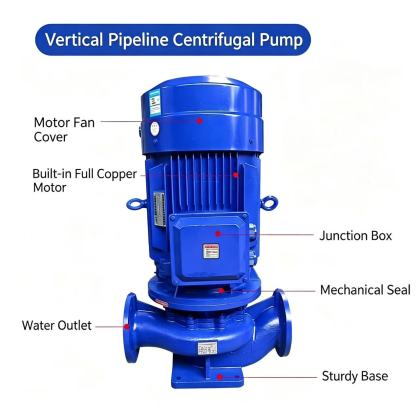
Minimum Flow Bypass Sizing and Connection Logic
The minimum flow bypass is designed to ensure a continuous, safe volume of fluid moves through the pump when the main discharge valve is nearly closed, preventing fluid overheating inside the pump casing and eliminating internal recirculation that can trigger cavitation at very low flow rates. The line size should be selected to deliver a flow rate that meets the pump’s published minimum continuous safe flow requirement, rather than using an arbitrarily small or over-dimensioned pipe that either fails to protect the pump or wastes excessive energy during normal operation. This bypass line must be connected to the pump discharge side after the discharge check valve, and routed back to the suction side of the system at a point far enough upstream to avoid creating a short, direct recirculation loop that sends heated fluid immediately back into the pump inlet. For most closed circulating systems, the return connection can be made to the suction header of the system, where the recirculated hot fluid mixes with a large volume of cooler incoming fluid before it reaches the pump suction flange. Never tap the minimum flow bypass directly from the pump casing drain port or a small auxiliary tapping, because these connections are not sized to carry continuous flow and can develop destructive local turbulence and pressure drop.
Maintenance Bypass Layout for Isolation and Continuous System Flow
A maintenance bypass arrangement allows technicians to fully isolate the ISG pump for inspection, seal replacement, or routine service without shutting down the entire connected system. This layout uses two isolation valves on the main suction and discharge lines of the pump, paired with a single bypass line and valve that runs across the outside of the two main isolation points. When the pump needs to be taken offline, operators can gradually open the bypass valve first, then close the suction and discharge isolation valves one at a time, shifting system flow over to the bypass path without creating sudden pressure transients that disturb other connected equipment. The maintenance bypass line should be sized to carry a reasonable portion of the system design flow, so critical downstream processes or HVAC loads can continue operating at reduced capacity while work is performed on the pump. All three valves in this arrangement should be placed within easy arm’s reach of a single standing position on the pump room floor, so a single operator can complete the full isolation sequence safely without needing to climb ladders or stretch across hot piping. Add a small drain valve between the two closed main isolation valves after the pump is isolated, so any remaining fluid trapped inside the pump casing can be drained slowly before technicians open the pump housing for service.
Overpressure Relief Bypass Installation and Calibration Rules
The overpressure relief bypass protects the pump and connected piping from dangerous pressure spikes that can occur during sudden valve closure, unexpected downstream flow blockage, or accidental startup against a fully closed discharge line. The relief valve installed on this bypass line must be set to open at a pressure value that is 10 to 15 percent higher than the maximum normal operating pressure of the system, but well below the maximum allowable working pressure of the pump casing and connected pipe components. The inlet side of the relief valve should be tapped from the discharge piping immediately downstream of the pump discharge flange, so it can sense pressure changes the moment they develop, rather than being placed far downstream where line friction delays its response. The outlet side of the relief bypass should be routed back to a low-pressure zone, such as the suction side header, a nearby expansion tank, or an open safe drain that can safely handle the full relieving flow without creating spill hazards. Never install a gate or isolation valve between the pump discharge and the relief valve, because an accidentally closed valve in this position would completely disable the overpressure protection function and leave the system exposed to dangerous pressure buildup. After the full relief bypass is assembled, perform a functional test during initial commissioning by gradually closing the main discharge valve while monitoring the discharge pressure, to confirm the relief valve opens at the correct set point and allows sufficient flow to keep system pressure from rising beyond safe limits.
All bypass pipeline segments must be supported independently with dedicated pipe hangers or brackets, so their weight does not create side loads on the main suction or discharge flanges of the ISG pump. Every bypass connection point on the main piping should be deburred and fully welded with smooth internal seams, to avoid creating sharp edges that catch debris and cause unexpected flow restriction over time.


