|
|
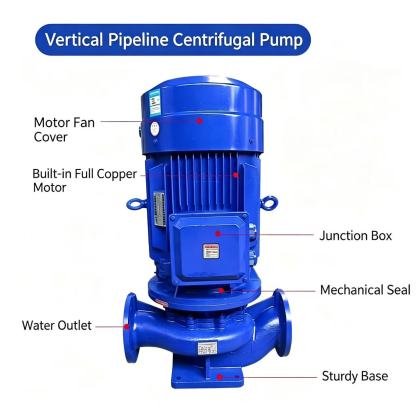
ISG Vertical Pipeline Centrifugal Pump motor insulation check before startupMotor insulation check before startup is one of the most critical preventive steps to avoid unexpected electrical failure, winding damage, and safety hazards on vertical pipeline centrifugal pump systems. Even a small drop in insulation performance can lead to current leakage, phase short circuits, or sudden motor burnout once power is applied, especially after long storage periods, site exposure to moisture, or recent electrical maintenance work. Performing this check systematically helps confirm the motor winding’s dielectric integrity before the first energization, and creates a reliable baseline for future condition monitoring.
Pre-test preparation and environmental condition controlBefore starting any insulation measurement, make sure all power supplies to the motor and related control circuits are fully disconnected and locked out at the local isolation switch. No part of the pump wiring should remain connected to any live source, and all external cables leading to the control panel must be completely separated from the motor terminals to prevent external circuit interference from distorting the reading. Record the ambient temperature and relative humidity at the test location, because insulation resistance values change significantly with temperature and moisture levels. High humidity or dew formation on winding surfaces will lower measured resistance, while higher operating temperatures can make the insulation appear more conductive than it actually is under normal service conditions. Wipe any visible water droplets, dust, or oil residue from the motor terminal box and exposed winding surfaces if the unit has been stored in an unprotected outdoor area for an extended period. Confirm that the test instrument itself is in good working condition by performing a short-circuit and open-circuit check before attaching any test leads to the motor terminals. Standard insulation resistance testing procedureConnect the test leads of the insulation resistance tester to the designated terminals following the correct measurement sequence. For each phase of the three-phase winding, measure the insulation resistance between that phase and the grounded motor frame, and then complete additional measurements between every pair of phases to ensure no inter-phase insulation weakness exists. Keep the test voltage applied consistently for the full duration of the measurement, and record the resistance value at the 15-second mark, 60-second mark, and 10-minute mark if you are performing a more thorough absorption and polarization index assessment. These sequential readings help identify slow polarization effects inside the insulation system that a single quick reading might miss. If the motor has been exposed to rain, high humidity, or long-term low-temperature storage, allow extra time for the winding to stabilize before taking final readings, so you do not mistake temporary surface moisture for permanent insulation degradation. All measured values should be corrected to a standard reference temperature to make them comparable with historical data and industry acceptance criteria. Acceptance criteria and abnormal condition handlingEvaluate the measured and temperature-corrected insulation values against established industry standards to determine if the motor is safe to energize. A minimum baseline resistance value must be met before startup, and the ratio between the 60-second reading and the 15-second reading should show a clear upward trend that indicates healthy absorption behavior. If the polarization index is being calculated, the ratio of the 10-minute reading to the 1-minute reading must stay above the minimum recommended threshold for the specific insulation class. Readings that fall below acceptable levels do not always mean the motor is permanently damaged, but they do require targeted corrective action before power can be applied. Mildly low resistance caused by surface contamination can often be improved by carefully cleaning the winding ends with a suitable non-residue solvent and drying the area with low-pressure, warm, dry air. More severe moisture penetration inside the winding structure will require a controlled, extended heating process inside a ventilated enclosure to gradually drive trapped moisture out without causing thermal damage to the insulation material. Never attempt to start the pump if insulation readings remain far below safe limits, as this can turn a minor recoverable condition into irreversible winding failure. Documentation and post-check safety transitionOnce all insulation measurements are completed and confirmed to meet requirements, record every detail of the test in the equipment commissioning file. Include the exact date, time, ambient temperature, relative humidity, test instrument identification, all individual resistance readings, temperature correction factor, and final calculated values. These records become the official baseline that maintenance teams can reference during future periodic inspections to track long-term insulation performance trends. If any abnormal or borderline readings were found and resolved through cleaning or drying, note the full corrective action process and the final retest result clearly in the documentation. After the test leads are safely removed and all motor terminals are re-secured inside the terminal box, confirm that no loose tools, test wires, or debris are left inside the enclosure before closing and fastening the cover. This complete insulation verification process not only protects the motor itself, but also provides the documented evidence required to support equipment warranty validation and predictive maintenance planning throughout the entire service life of the pump system. |