The drain port on an ISG vertical pipeline centrifugal pump is a small but functionally critical opening that many installation teams treat as a secondary detail, rather than an essential part of system reliability. When installed and used correctly, it prevents trapped liquid from causing avoidable damage during standby periods, temperature fluctuations, or routine maintenance. When overlooked or improperly routed, it can become a source of hidden problems that reduce seal life, create corrosion inside the casing, and even introduce unexpected safety risks during system shutdowns. Proper handling of this port does not require complex modifications, but it does demand consistent attention to installation orientation, connection routing, and operational awareness across different working conditions.
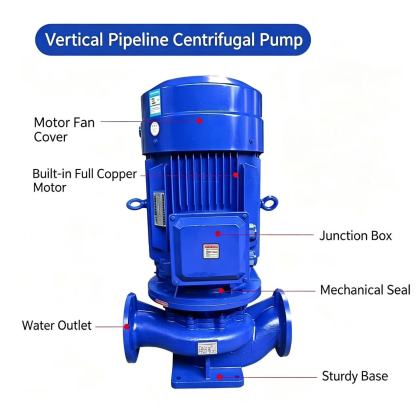
Core Functional Roles of the Drain Port in Daily Operation
The primary purpose of the drain port is to allow complete evacuation of process liquid from the pump casing after the system is shut down. This is especially important in installations exposed to ambient temperatures that can drop below freezing, where residual water left inside the pump will expand and crack the casing, even during a short overnight shutdown. It also removes stagnant liquid that could otherwise degrade, form sediment, or accelerate internal corrosion when the pump remains idle for extended periods. In systems that handle high-temperature media, draining the pump before maintenance prevents trapped hot liquid from spilling out uncontrollably the moment technicians loosen any casing fasteners. The drain port also supports partial draining during routine checks, allowing operators to sample residual fluid quality or confirm that no backflow has entered the stationary pump after the isolation valves are closed. Unlike larger process nozzles, this small opening is designed for low-pressure, gravity-driven flow, so it should never be used as a primary discharge connection or a point for system pressurization.
Field Installation Best Practices for Drain Port Piping
Position the drain port connection at the absolute lowest point of the pump casing, so that no low pockets remain where liquid can become trapped after draining. Run the drain line downward in a continuous, gradual slope with no upward loops that could hold residual liquid and block full gravity flow. Keep the drain line as short as practical, and avoid installing unnecessary elbows or narrow sections that slow down discharge and leave small amounts of liquid lingering inside the casing. The open end of the drain line should terminate at a safe, visible collection point where discharged liquid can flow away freely, without splashing onto electrical components, hot surfaces, or walkways used by site personnel. Install a manually operated valve close to the pump casing on the drain connection, so technicians can open and close it quickly without reaching far along the piping. Never cap or permanently seal the drain port during initial installation, as this completely eliminates one of the pump’s most basic protective features. If the system handles hazardous, hot, or environmentally sensitive fluid, route the drain line to a dedicated collection sump rather than letting it discharge directly onto the floor.
Correct Usage Protocols Across Different Operating Scenarios
Before any planned pump maintenance, fully close the isolation valves on both the suction and discharge sides, then wait several minutes for internal pressure to stabilize before slowly opening the drain valve. This step allows all residual pressure to release gradually along with the liquid, preventing sudden spray or unexpected discharge that could cause injury. For pumps installed in outdoor or unheated locations, always open the drain port completely after stopping operation if there is any risk of the ambient temperature dropping close to freezing. After draining is finished, leave the valve slightly open for a short period to confirm no remaining liquid is trapped, then close it only when you are certain the casing is fully empty. For standby pumps that remain idle for weeks or months at a time, perform a partial drain and refill cycle periodically to flush out any accumulated sediment that would otherwise settle near the bottom of the casing around the drain port. Never use the drain port to bleed air during normal pump priming, because that process is designed to be handled through the separate upper vent valve instead. Using the drain port for priming can pull sediment into the small opening, partially block the passage, and prevent full drainage the next time you need to use it.
Even after the drain installation is complete, make a point to inspect the connection once every few months as part of your regular pump walkdown. Check for blockages caused by sediment buildup, confirm the valve still operates smoothly, and verify that no one on site has accidentally sealed off the line to stop small, harmless drips. These small, regular checks keep the drain port functional year round, and help avoid many preventable pump casing problems that appear only after a sudden shutdown or unexpected weather change.


