Installing an ISG vertical pipeline centrifugal pump in a persistently humid environment introduces a unique set of failure risks that are rarely encountered in dry, indoor, or arid location installations. High relative humidity, frequent condensation, airborne moisture, and prolonged exposure to damp air can quietly degrade electrical components, corrode unprotected metal surfaces, and create hidden operational faults that only appear after months of seemingly normal operation. Many standard installation practices that work reliably in dry settings leave critical gaps in humid conditions, leading to unexpected motor trips, seal corrosion, and premature component degradation long before the pump reaches its expected service life. Effective humid environment adaptation focuses on targeted moisture exclusion, surface protection, and layout adjustments that break the contact path between damp air and critical pump components.
Electrical System Installation to Block Moisture Ingress
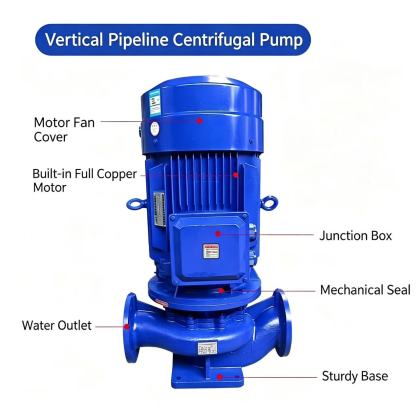
The highest failure risk in a humid environment targets the motor and its connected electrical circuits, where trapped moisture can break down insulation resistance, create stray current paths, and trigger unexpected ground fault trips. During installation, position the motor terminal box so that its cable entry points face downward rather than upward, to prevent condensed water from dripping along cable surfaces directly into the electrical compartment. Use properly rated cable glands that form a tight, moisture-sealed connection around the outer cable jacket, and never leave unused openings in the terminal box uncovered or loosely capped. Install a small, low-wattage space heater inside the motor terminal enclosure, wired to run continuously whenever the pump is in standby mode, to maintain a slightly higher internal temperature that stops condensation from forming on winding surfaces and terminal connections. After all wiring work is complete, perform an insulation resistance test across all phases and to ground, and log the baseline reading so you can compare future periodic measurements to spot slow moisture ingress before it causes a fault. Avoid running exposed electrical cables along the floor or in locations where pooled water can accumulate, and route all wiring above the typical high humidity condensation drip zone to keep every connection point fully dry.
Casing, Flange and Fastener Corrosion Prevention Measures
Persistent damp air carries fine moisture particles that settle on unprotected metal surfaces, creating thin water films that accelerate rust and corrosion even when the pump is not actively running. Before final assembly, apply a thin, moisture-blocking anti-rust coating to all exposed machined surfaces on the pump casing, shaft extension, and flange faces that are not in direct contact with process liquid. Select all external mounting bolts, foundation fasteners, and flange connection hardware with corrosion-resistant properties suited for continuous high humidity exposure, to prevent them from seizing in place after months of damp air contact. When installing gasket material between flanges, choose a formulation that maintains consistent sealing force even when exposed to repeated cycles of high humidity and minor temperature fluctuation, to stop tiny moisture droplets from seeping into the joint and causing hidden corrosion between the two flange faces. After the pump is fully aligned and all fasteners are tightened, apply a thin layer of anti-seize compound to the exposed threads of every bolt head and nut, so they can be easily loosened during future maintenance without the risk of thread breakage caused by rust buildup. Even small unpainted areas on the pump base plate should be coated with a durable moisture-resistant finish, to stop surface rust from spreading and weakening the structural support under long-term damp conditions.
Layout and Ventilation Adjustments for Long Term Moisture Control
The physical layout of the installation site plays a far larger role in humid environment reliability than most standard installation guides acknowledge. Position the entire pump unit in a location that benefits from consistent, natural cross-ventilation, rather than tucking it away in a tight, unventilated corner where damp stagnant air cannot circulate away from the motor and pump surfaces. Avoid placing the pump directly under overhead piping that carries cold process fluid, because the outer surface of these lines will form heavy condensation that drips directly down onto the pump and motor assembly. If the site is regularly exposed to very high humidity levels that cannot be avoided, install a simple local ventilation fan directed at the motor frame and pump casing, to maintain slow, continuous air movement that prevents moisture from settling and forming persistent water films on metal surfaces. Make sure the floor under and around the pump is sloped slightly toward a nearby drain, so any spilled liquid or condensed water cannot pool around the base plate and create a constant source of rising damp air. Leave extra open space around all sides of the unit, so air can circulate freely around every surface and technicians can easily access all areas during routine inspection to spot early signs of surface corrosion or moisture buildup before they develop into serious problems.
After the initial installation is complete and the pump passes its first startup test, set up a simple recurring inspection routine that includes wiping down exposed metal surfaces, checking terminal box seals, and verifying that all anti-condensation heaters remain functional. These small, regular checks keep moisture-related risks under control, and help the pump deliver consistent, reliable performance even in the most persistently humid operating locations.


