A practical routine maintenance checklist helps site technicians keep a vertical pipeline centrifugal pump in reliable operating condition over its full service life. These regular inspection tasks are structured around real-world field experience, not arbitrary time intervals, so potential issues can be caught early before they develop into unplanned downtime. Every item on the checklist can be completed with basic hand tools and standard measurement instruments, making it suitable for both daily walkthroughs and periodic planned inspections.
Daily visual and operating parameter checks
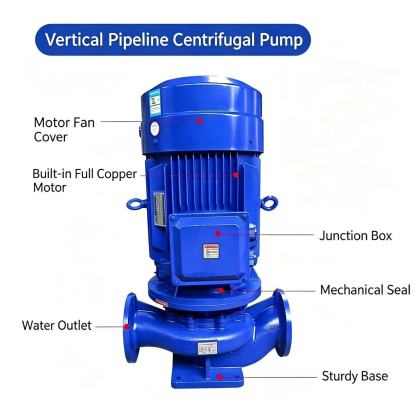
Start each inspection round by observing the overall operating state of the pump unit under normal running conditions. Check the surface of the pump casing, motor housing, and all connected piping for any new signs of external corrosion, paint peeling, or accumulated debris that could block heat dissipation. Record the inlet and outlet pressure readings, and compare them with the baseline values logged during initial commissioning to spot any gradual drop in performance that might indicate impeller wear or internal blockage. Verify that the motor current stays within the normal range marked on the nameplate, and listen for any unusual noise that does not match the familiar steady sound of normal operation. These quick daily checks take very little time, but they provide the earliest warning of most developing problems.
Weekly mechanical and connection verification
Walk around the entire pump assembly to check every visible bolt, fastener, and flange connection for signs of loosening that could be caused by continuous operating vibration. Pay special attention to anchor bolts, motor mounting bolts, and flange bolts, and gently confirm none of them show unexpected movement when tapped with a soft hammer. Inspect the shaft seal area closely, and confirm leakage rates stay within the acceptable range for the installed seal type, with no sudden increase in dripping that could signal seal face damage. Check the flexibility and condition of any installed expansion joints or flexible connectors, to make sure they are not overstretched, twisted, or showing signs of surface cracking. This weekly verification prevents minor loose connections from turning into major structural issues.
Monthly lubrication and thermal condition assessment
Check the lubricant level and visual condition in all bearing housings, making sure the oil level sits within the marked range and no cloudiness, discoloration, or visible contamination is present. For grease-lubricated points, replenish the correct type of grease in moderate quantity, avoiding over-greasing that could cause excessive bearing temperature rise. Use a contact thermometer to measure the surface temperature of motor bearings, pump bearings, and the motor winding housing, confirming all temperature readings remain below the maximum allowable limits specified for the equipment. Clean away any accumulated dust, lint, or debris from the motor cooling fan cover and ventilation slots, so the natural air cooling system can work at full efficiency. This monthly assessment directly protects the most critical friction points in the unit and prevents premature wear caused by poor lubrication or insufficient heat dissipation.


